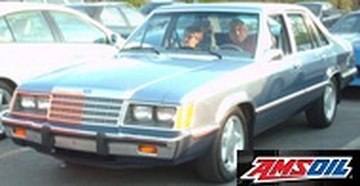
Engine Maintenance for your 1983 Ford LTD 2.3L
Maintaining an older vehicle requires consistent attention to fluid levels and component health to ensure long-term operation. For the 1983 Ford LTD equipped with a 2.3L engine, focusing on cooling system integrity and lubrication management is essential for routine upkeep.
What coolant or antifreeze products are listed for my 1983 Ford LTD 2.3L?
The following products are listed for this vehicle: ANTPC1G-EA Passenger Car & Light Truck Antifreeze & Coolant and ANT1G-EA Low Toxicity Antifreeze and Engine Coolant.
Engine Oil Lubrication Management
The engine oil serves as the primary defense against internal friction, heat, and contaminants. For a vehicle of this age, monitoring the condition and level of the engine oil is a fundamental maintenance task. Regular inspections allow you to identify potential issues such as leaks or unexpected consumption before they lead to mechanical complications. When performing an oil change, ensure that the oil filter is replaced to prevent old debris from circulating through the new lubricant.
Because different operating environments and engine conditions can affect how oil behaves, it is important to consult your owner's manual for specific guidance regarding lubrication requirements. Maintaining a clean lubrication system helps manage the thermal load on internal components during operation.
Cooling System Integrity
The cooling system is responsible for regulating the temperature of the 2.3L engine. Beyond selecting the correct antifreeze or coolant products, you must ensure that the entire system remains free of leaks and air pockets. A loss of coolant can lead to rapid temperature increases, which may impact engine components. Periodically inspecting hoses, the radiator, and the water pump for signs of weeping or degradation is a proactive way to manage the cooling system.
When adding coolant or water to the system, ensure the engine is at a safe temperature to avoid injury from pressurized steam. If you notice a significant drop in coolant levels between inspections, it may indicate a leak that requires professional attention.
Monitoring Fluid Levels and Condition
A comprehensive maintenance approach involves more than just changing oil; it requires regular visual inspections of all vital fluids. This includes checking the condition of the engine oil, the coolant level in the reservoir, and other essential fluids mentioned in your vehicle's documentation.
When inspecting oil, look for changes in color or texture that might indicate contamination from other fluids. Similarly, check the appearance of the coolant to ensure it has not become excessively cloudy or dark. Consistent monitoring helps you stay ahead of maintenance needs by identifying subtle changes in fluid behavior.
Scheduled Maintenance Intervals
To keep your 1983 Ford LTD running efficiently, you should adhere to a regular service schedule. While specific intervals can vary based on various factors, the most reliable source for these timings is the manufacturer's maintenance schedule found in the owner's manual. Following these guidelines ensures that oil changes, filter replacements, and cooling system inspections occur at appropriate times.
Relying on the manufacturer's documented intervals helps prevent the premature wear of engine components and maintains the overall health of the vehicle's mechanical systems.
Preventative Inspection Habits
Developing a habit of regular visual inspections can save time and resources. When you open the hood, take a moment to look for any signs of moisture around gaskets or connections. Check the belt tension and condition if applicable to your specific engine configuration. Small observations, such as a slight drip or a fraying hose, are much easier to address during routine maintenance than they are when they result in a component failure.
What oil filter is listed for my 1983 Ford LTD 2.3L?
The following oil filters are listed for this vehicle:
- EAO15-EA — AMSOIL Ea Oil Filters
- 51515-EA — WIX Oil Filter
BUYING ENGINE OIL
When you are ready to purchase lubrication for your vehicle, always refer to the owner's manual to confirm the required specifications. Ensure that any product you select meets the requirements outlined by the manufacturer for your specific engine. Check the packaging carefully to verify it matches the necessary standards before completing your purchase.